
The Okavango River is a pristine waterway in Namibia, offering unparalleled wildlife, thrilling safaris, and breathtaking landscapes.
The Okavango River, stretching over 1,600 kilometers, is a vital lifeline in southern Africa. Flowing through Namibia, it supports diverse ecosystems and offers visitors unique wildlife experiences.
Year-round (good to visit anytime)
The Okavango River offers unique experiences throughout the year.
The Okavango River is a unique natural wonder in southern Africa. Unlike most rivers that flow into the sea, the Okavango empties into the Kalahari Desert, creating the Okavango Delta, a UNESCO World Heritage site.
This inland delta is a lush oasis teeming with wildlife, making it a top destination for nature enthusiasts.
The river’s journey begins in the highlands of Angola, where it is known as the Cubango River. It then flows southeast, forming part of the border between Angola and Namibia, before entering Botswana.
In Namibia, the river is referred to as the Kavango River and is essential for the communities along its banks, providing water, food, and transportation.
The Okavango River is home to a rich diversity of wildlife. Over 150 species of fish inhabit its waters, including tigerfish and various species of bream, making it a popular spot for fishing enthusiasts.
The riverbanks and surrounding areas are a haven for birdwatchers, with more than 400 bird species recorded, such as the African fish eagle, malachite kingfisher, and the rare Pel’s fishing owl.
Visitors to the Okavango River can engage in a variety of activities. Boat cruises offer a serene way to observe hippos, crocodiles, and elephants in their natural habitats.
Guided mokoro (traditional dugout canoe) trips provide an intimate experience of the river’s intricate waterways. For the more adventurous, fishing excursions and birdwatching tours are available.
Historically, the Okavango River has been a vital resource for the indigenous communities of the region. The river’s name is derived from the Okavango people of northern Namibia, who have relied on its resources for centuries. Scottish explorer David Livingstone was the first European to document the river in the mid-19th century.
In recent years, the region has seen growth in tourism infrastructure, with the establishment of lodges and guided tour services.
Conservation efforts have been implemented to preserve the delicate ecosystems of the river and delta, ensuring that the natural beauty and biodiversity of the Okavango are maintained for future generations.
We offer expert local guides who provide insightful and safe journeys along the Okavango River. Travellers can customize their experiences with options for group tours, private excursions, or self-drive safaris.
The company ensures seamless transportation with convenient airport and hotel transfers from nearby hubs. For those preferring to explore independently, a variety of vehicles are available for hire, including rugged 4x4s for off-road adventures, SUVs for family trips, sedans for city travel, and luxury vehicles for premium experiences.
Additional conveniences such as camping equipment, GPS units, baby car seats, and 24/7 roadside assistance are offered to ensure a smooth and enjoyable journey across Namibia.
Packing for a trip to the Okavango River depends on the season and the activities you plan to do. The region experiences hot summers (October-April) and cooler winters (May-September), so choosing the right clothing and gear is essential for a comfortable and safe adventure.

The Okavango River is a stunning but wild destination, requiring precautions to ensure a safe and enjoyable experience.
Understanding local customs and traditions will enhance your experience when visiting the Okavango River region.


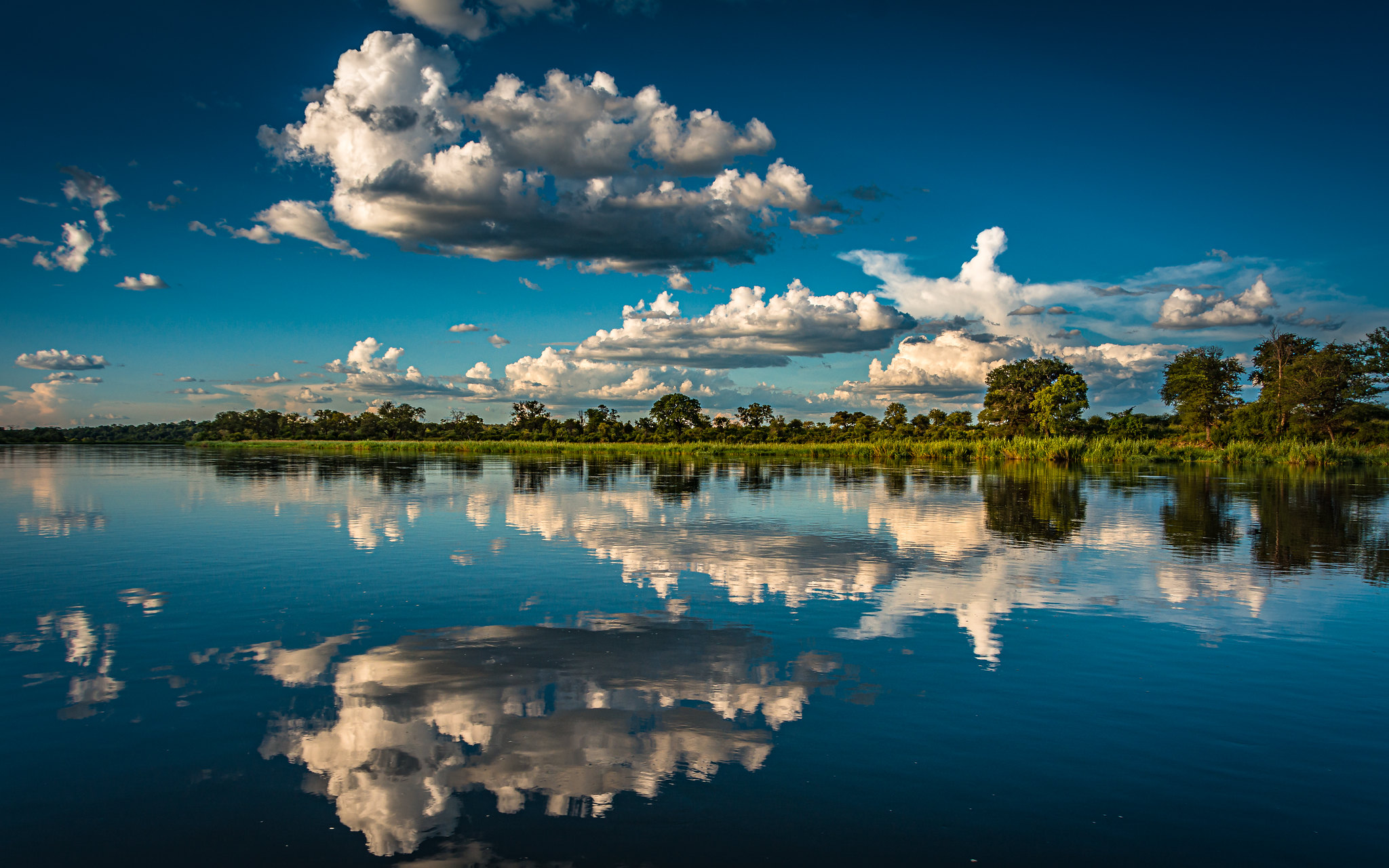


Whether you’re looking for an intimate mokoro ride, a thrilling game drive, or a luxury river cruise, the Okavango River offers unforgettable safari experiences.
Join a group safari and explore the Okavango River with expert guides. These tours provide in-depth wildlife encounters, cultural visits, and affordable travel options. Group tours are perfect for solo travelers looking to connect with like-minded adventurers.
Experience the Okavango River at your own pace with a self-drive safari. Kaps Tours and Safaris offers a fleet of vehicles, from 4x4s for rugged terrain to comfortable SUVs for scenic drives. Travel with confidence using our GPS navigation, 24/7 roadside assistance, and camping gear add-ons.
For those seeking exclusivity, luxury private safaris provide premium experiences. Enjoy luxury lodges, private guided game drives, and VIP river cruises with expert naturalists. These tailor-made tours ensure privacy and comfort.
Traveling with kids? Our family-friendly tours include engaging activities, child-friendly accommodations, and experienced guides who make wildlife safaris both fun and educational. Additional services like baby car seats, child-friendly meal options, and shorter safari drives are available.
The Okavango River is a paradise for wildlife lovers and adventure seekers. Whether you’re gliding through the waterways on a mokoro, fishing for tigerfish, or spotting elephants from a boat, there’s something for everyone.
Okavango River, Namibia
The Okavango River is easily accessible from major cities in Namibia and Botswana. Whether flying into a nearby airport or driving through scenic landscapes, multiple travel options ensure a seamless journey.

Kaps Tours and Safaris offers hassle-free transfers from airports, hotels, and lodges. Enjoy comfortable, air-conditioned vehicles, professional drivers, and reliable service, ensuring a smooth journey to the Okavango River.
We offer fixed-rate transfers starting from N$385 for convenient, stress-free travel.

For travelers seeking independence, we provide a fleet of well-maintained vehicles:
All rentals come with 24/7 roadside assistance, GPS navigation, and optional add-ons like camping gear and baby car seats.

Travelers can book flights via Air Namibia, Air Botswana, and other regional carriers. Kaps Tours and Safaris provides seamless airport pick-ups and transfers to your accommodation.

Driving to the Okavango River is an adventure of its own, with scenic routes passing through Namibia’s diverse landscapes.
For off-road adventures, a 4×4 vehicle is recommended. Kaps Tours and Safaris offers reliable rental options for all travel needs.

Public transport is available but limited. Options include:
For the most comfortable and flexible experience, Kaps Tours and Safaris recommends pre-booked private transfers or car rentals.
We go beyond standard travel services to provide unforgettable experiences along the Okavango River. Our expertise, commitment to sustainability, and customer-focused approach make us the best choice for your safari adventure.
Our knowledgeable guides bring the Okavango River to life with deep insights into the region’s wildlife, history, and cultural significance.
We offer tailor-made tours, whether you prefer thrilling adventures, relaxed cruises, or family-friendly safaris.
Enjoy stress-free travel with our airport transfers, car rental services, and carefully selected accommodations that fit all budgets.
From mokoro safaris to night game drives, our tours provide unique opportunities to explore the Okavango River like never before.
Stay informed with the latest news and travel updates from the Okavango River region. From seasonal wildlife migrations to exciting cultural festivals, here’s what’s happening.
Explore the Okavango River’s stunning landscapes, diverse wildlife, and thrilling safaris with Kaps Tours and Safaris. Let us make your dream adventure a reality!
Unlike most rivers that flow into an ocean, the Okavango River empties into the Kalahari Desert, forming the Okavango Delta, one of the world’s largest inland deltas.
This unique ecosystem supports a diverse range of wildlife, lush vegetation, and a vibrant birdlife, making it a top safari destination.
The depth of the Okavango River varies throughout the year. During the peak flood season (April-August), the river depth can reach up to 4-6 meters (13-20 feet) in some areas.
In the dry season (September-March), water levels decrease significantly, but channels and lagoons still hold water, providing essential resources for wildlife.
Yes, the Okavango region is a malaria-risk area, particularly during the rainy season (November-April). Visitors are advised to take anti-malarial medication, use insect repellent, wear protective clothing in the evenings, and sleep under mosquito nets when staying in camps and lodges.


